
Early Super Withdrawals Soar as Dental Bills Bite
Early super withdrawals for compassionate reasons have more than tripled in seven years, up about 220% since 2018–19. Nearly all of the $1.46 billion released in 2025–26 (about $1.42 billion) paid for medical costs.
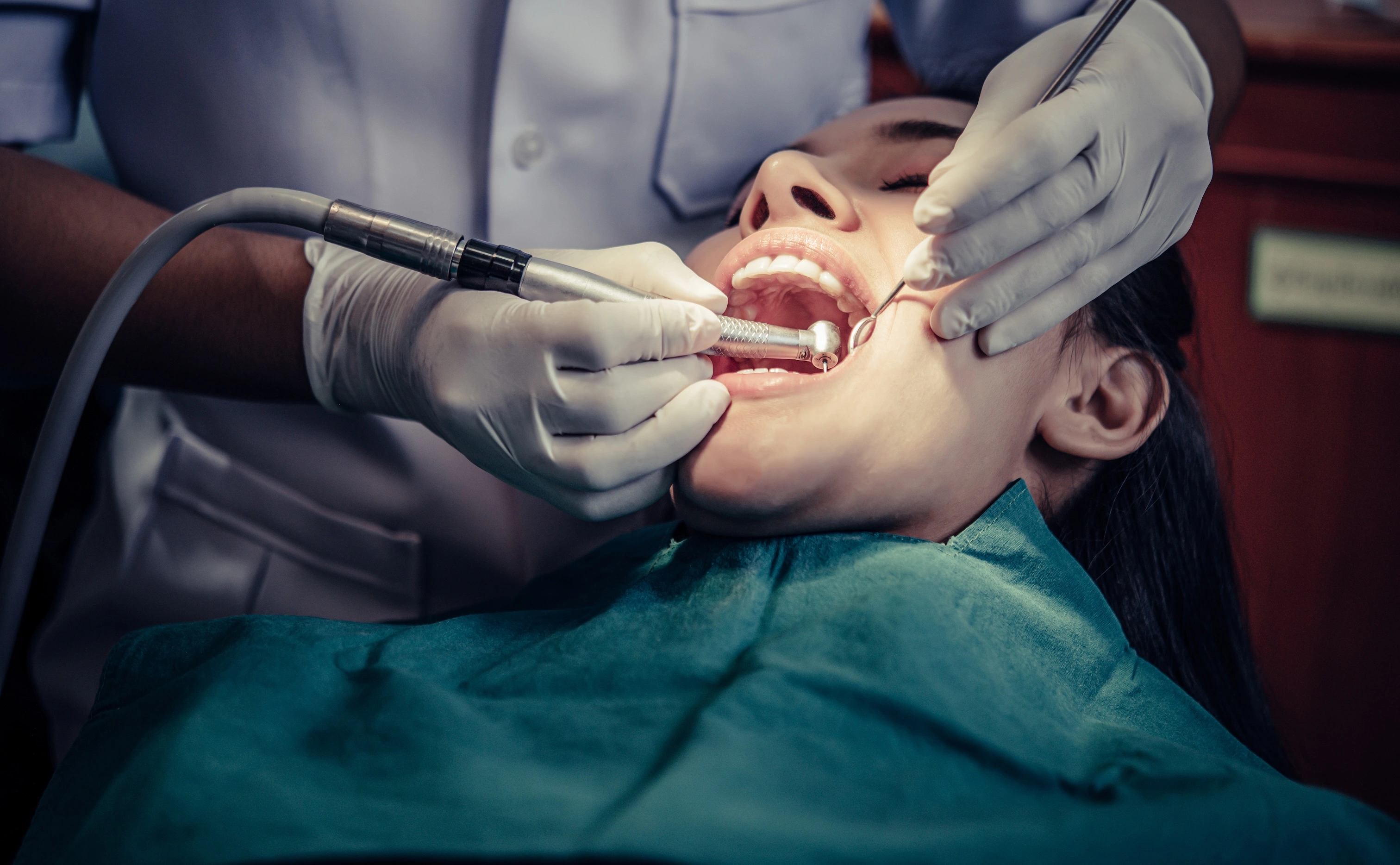
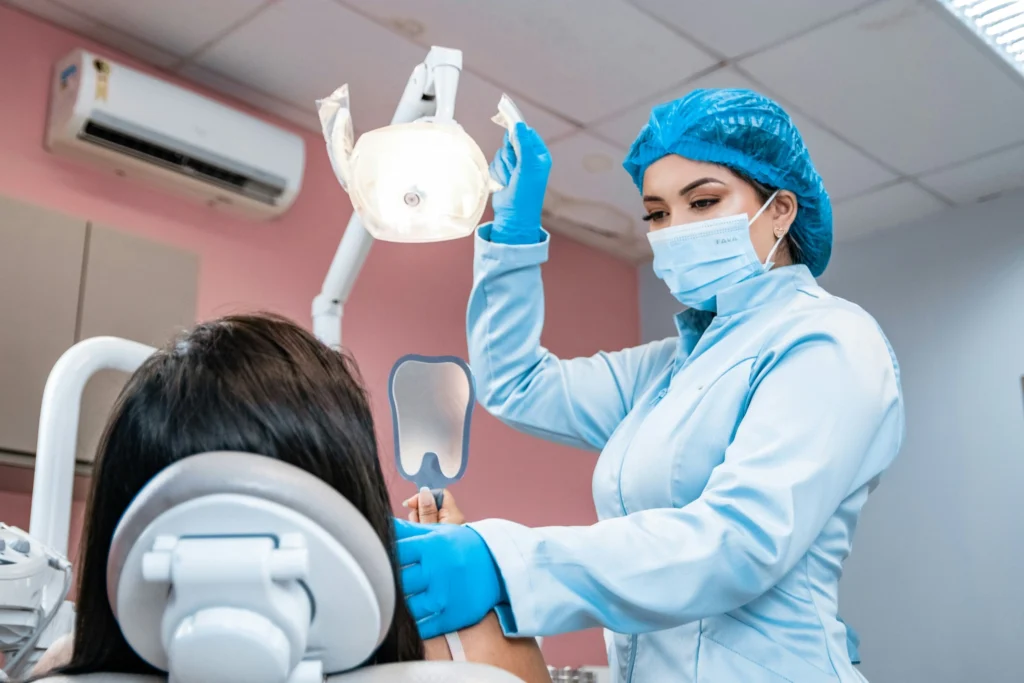
Australians withdrew a record $1.46 billion from super on compassionate grounds last financial year, almost all of it through early release of super for medical treatment, including dental work. That’s a lot of retirement savings spent on root canals.
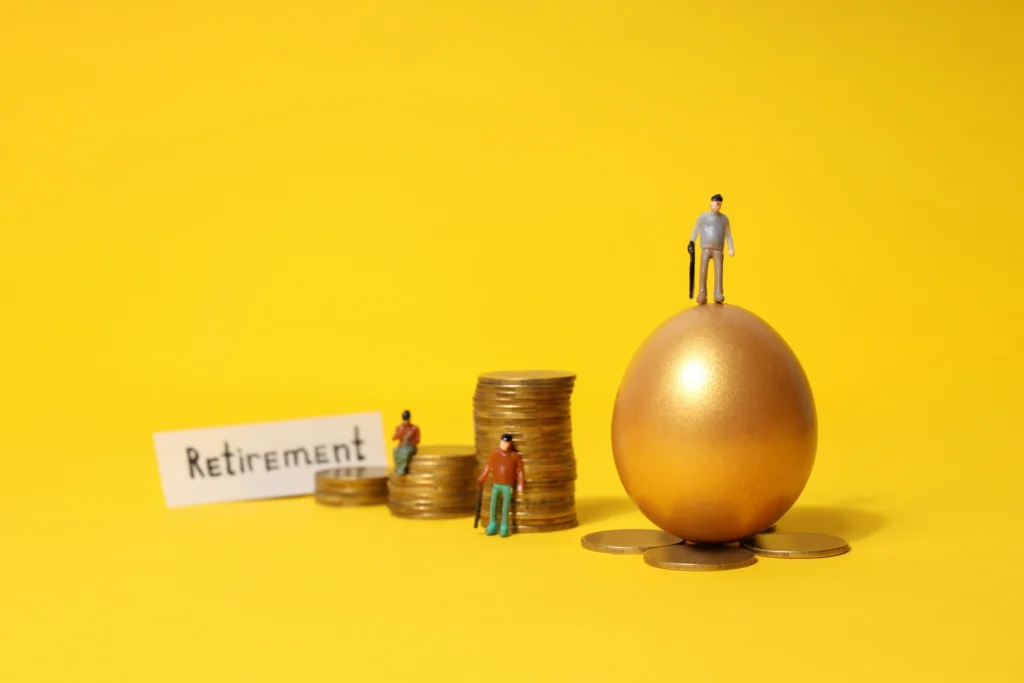
We get it. When you’re in pain, “future you” can wait. But before you raid the nest egg, it’s worth knowing the real price tag. The bill you pay today is often much smaller than the one your retired self ends up footing.
Early Super Withdrawals Hit a Record High
Early super withdrawals for compassionate reasons have more than tripled in seven years, up about 220% since 2018–19. Nearly all of the $1.46 billion released in 2025–26 (about $1.42 billion) paid for medical costs.
Dental is the big one. Australians withdrew $892 million for dental treatment last year, a 13-fold jump from roughly $66 million in 2018–19. IVF withdrawals have also doubled, from $36.2 million to $76.4 million over the same period.
There is one small bright spot. Around 64,600 applications were approved in 2025–26, about 5% fewer than the year before.
How Compassionate Release of Super Works
The ATO only approves compassionate release of super as a last resort, when you have no other way to pay. For medical treatment, the treatment must be necessary to:
- treat a life-threatening illness or injury
- relieve acute or chronic physical pain, or
- relieve an acute or chronic mental illness.
You’ll need two medical reports, and at least one must come from a specialist. Before you apply, you also need to check with your super fund that it will release the money and that your balance covers the tax.
Early release of super is taxed, and that’s the catch most people miss. The ATO says withholding is generally up to 32% of the amount withdrawn. The payment also counts towards your reportable income, which can affect government payments like Family Tax Benefit. So a $10,000 dental bill can take a lot more than $10,000 out of your account.
The Real Cost of Withdrawing Super Early
According to the Super Members Council, taking $20,000 out of super now could leave you about $93,000 worse off by retirement. That’s the compound growth you give up.
Think of your super like a mango tree. Pick the fruit early and you get one snack today. Chop off a big branch, and you lose every mango it would have grown for the next 30 years.
The younger you are, the bigger that branch. A withdrawal in your thirties has decades of missed growth attached. A withdrawal a few years from retirement has much less.
Using Super For Dental Work? Watch Out For The Sales Pitch
Regulators are cracking down on clinics that push patients to use their super for treatments they don’t need. Over the past year, the ATO fined practitioners $1.5 million in total for misleading statements on early-release applications. In one case, a GP was found guilty of professional misconduct for helping a patient access almost $20,000 of super for cosmetic liposuction.
The ATO says these are red flags:
- The clinic advertises early super access on social media.
- They offer to fill out your early-release application for you, using your personal details.
- Your assessment happens by telehealth instead of in person.
- They push super access but don’t mention payment plans.
- You’re told to use a particular provider to lodge your application.
- There’s a fee to submit the application.
If a dentist is more excited about your super balance than your molars, get a second opinion.
Check These Options Before You Access Super Early
- Your insurance. Many people have income protection or TPD cover inside their super and don’t know it. If you hold trauma cover, a serious health event may trigger a lump-sum payout.
- Your private health extras. Check what your policy actually covers before you assume it won’t help.
- A payment plan. Ask your provider about paying in instalments, or staging the treatment over time.
- Public options. If you’re eligible, look into public dental services or university dental clinics.
- A second opinion. Especially for big-ticket treatment, make sure it’s genuinely needed.
- Free financial counselling. The National Debt Helpline (1800 007 007) can help you work through your options.
And for next time, a small emergency fund is the best painkiller there is. Even a few thousand dollars set aside can stop a surprise bill from becoming a retirement problem.
How HPartners Can Help
A health scare is stressful enough without a money scare on top. Our team can help you:
- check what insurance you already hold, inside and outside super, and help you make a claim
- weigh up whether an early release makes sense for you, including the tax and long-term cost
- build a cashflow plan and emergency buffer so the next surprise bill doesn’t knock you off course.
If you’re facing a big medical or dental bill, talk to us before you talk to your super fund. Book a chat with one of our Brisbane or Toowoomba financial advisers, or call us on 1300 656 260.
This article contains general information only and doesn’t take into account your personal objectives, financial situation or needs. Before acting on it, consider whether it’s right for you and speak with a licensed financial adviser.
Sources
Published:
Share
Resources
A wealth of knowledge
Latest News
-
Early Super Withdrawals Soar as Dental Bills Bite
 October 27, 2026
-
Gifting Money? Beware of Centrelink Gifting Rules
October 27, 2026
-
How to Budget on an Irregular Income in 6 Steps
October 20, 2026
-
Start Paying Off a Mortgage Faster in 7 Easy Steps
October 13, 2026
-
Economic Snapshot – September 2026
October 13, 2026
-
Brisbane Property Slump: What It Means
October 6, 2026

Tools & Guides
Useful tools & guides to get you started
 Find out more

Video Guides
Useful videos to get you started
Find out more

Financial Calculators
See what impact little changes can have
Find out more