
Habits to help you become financially savvy
Creating and maintaining good money habits could make a difference to your finances in both the short and long term. Here are some money habits that could help you become financially savvy. 1. Set your goals. Goals will motivate you to stick to good money habits, so it’s a good idea to brainstorm what you…

Creating and maintaining good money habits could make a difference to your finances in both the short and long term. Here are some money habits that could help you become financially savvy.
1. Set your goals.
Goals will motivate you to stick to good money habits, so it’s a good idea to brainstorm what you want to achieve. Try and be as clear as you can — for example, if you want to travel, how much do you need to save? Or if you have debt, by when do you want it paid off? Writing your goals down and reviewing them regularly will allow you to monitor your progress and remind yourself why you’re sticking to your habits. You can also break your goals down into smaller milestones — each time you reach an achievement, celebrate the win and feel good about your progress.
2. Budget.
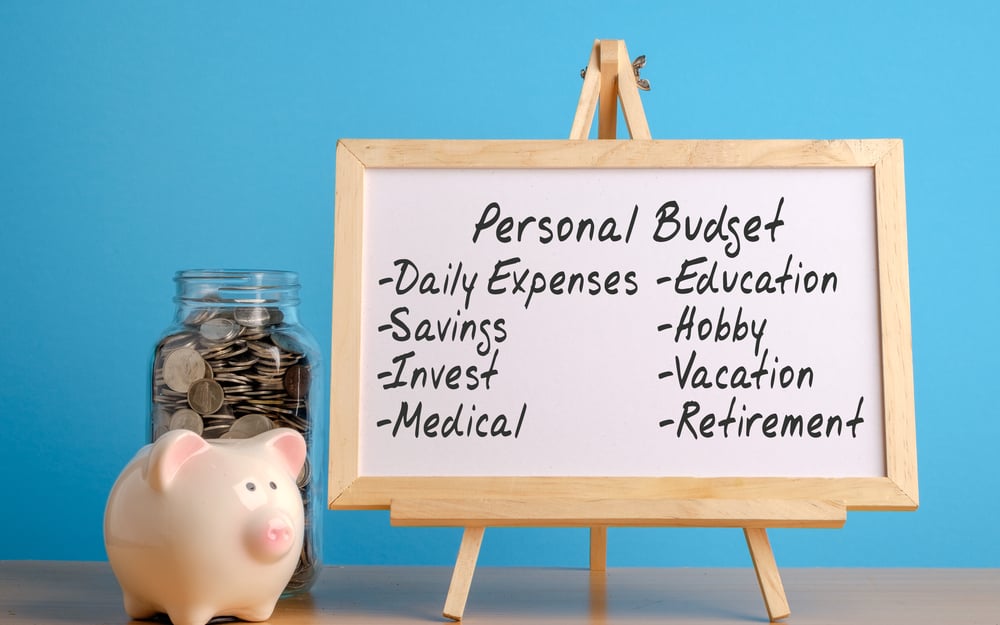
Budgeting is an important tool in setting yourself up to achieve your goals and make the most out of your money. To make a budget, list your regular and expected expenses and see how much of your income is left over. The leftover amount could be saved or directed towards paying down a debt. Keep your goals in mind when you’re working out how to divide things.
3. Watch your spending.
Once you’ve got a budget in place, it’s important to stick to it. Try to review your bank transactions regularly, for example once or twice a fortnight — you can compare your actual spendings to your budget and adjust where needed. This way you’ll also recognise any unhealthy spending patterns.
4. Have a safety net.
If you solely depend on your income to cover the cost of living, it’s important to have a back-up plan in case you’re ever unable to work. Setting an emergency fund aside for unexpected expenses is a good place to start. What could also give you a nice sense of security is having the right insurance to protect what’s important: your family, income and lifestyle. Insurance may provide a financial safety net by paying a benefit if you were to pass away or are too sick or injured to work, either temporarily or permanently.
5. Optimise with an expert.
There are different kinds of insurance that can provide financial support for varying scenarios, including life (or ‘death’) cover, total and permanent disability (TPD) cover, income protection, and critical illness insurance. If you’re not sure where to start, I can talk you through each type and tailor an insurance recommendation that suits your needs.
Published:
Share

Resources
A wealth of knowledge
Latest News
-
How to Budget on an Irregular Income in 6 Steps
 October 20, 2026
-
Start Paying Off a Mortgage Faster in 7 Easy Steps
October 13, 2026
-
Economic Snapshot – September 2026
October 13, 2026
-
Brisbane Property Slump: What It Means
October 6, 2026
-
Christmas Party Tax 2026: What Businesses Should Know
October 6, 2026
-
Tax Time ATO Scams & The 31 October Deadline
September 29, 2026

Tools & Guides
Useful tools & guides to get you started
 Find out more

Video Guides
Useful videos to get you started
Find out more

Financial Calculators
See what impact little changes can have
Find out more